
Don’t Make Things Awkward: Creative Ways to Ask for Client Testimonials
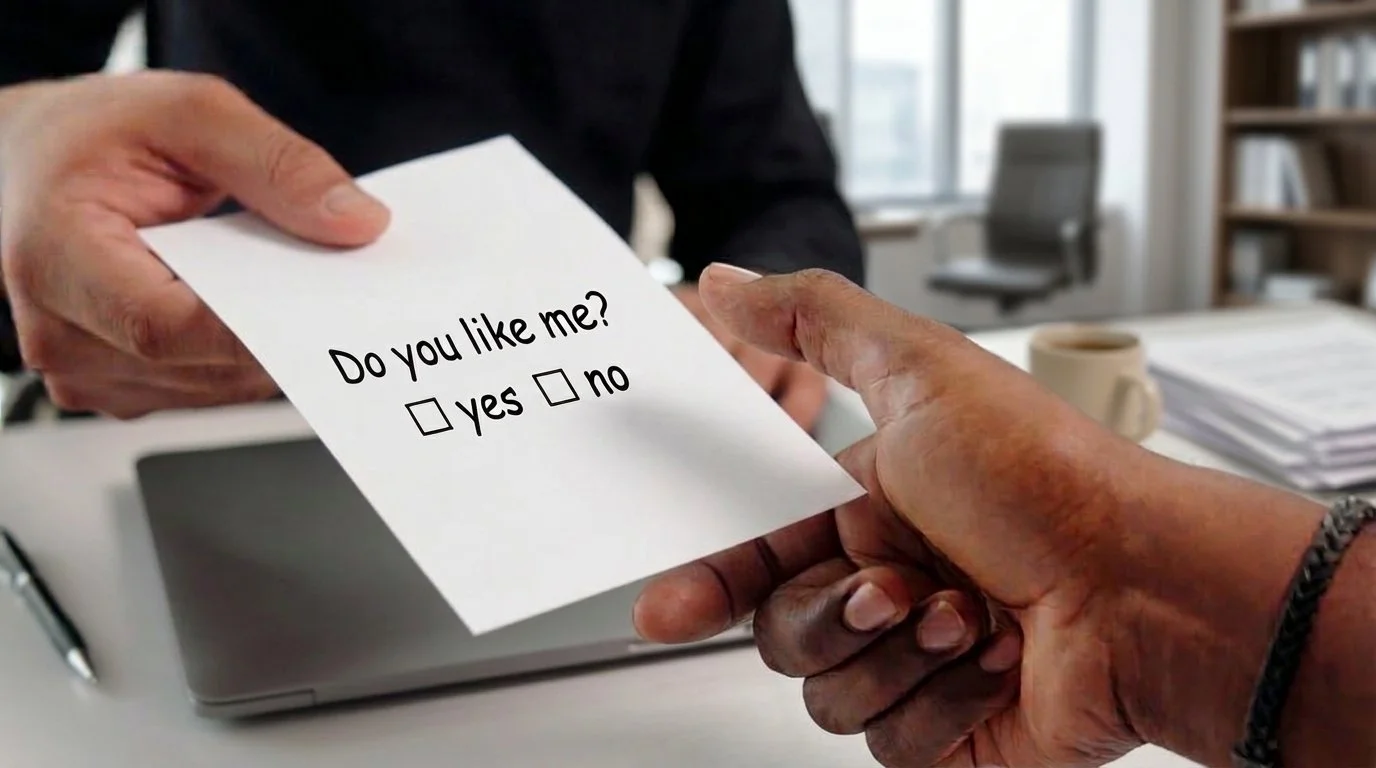
“Hi, I know I'm interrupting your busy day, but can you please write about how great my firm is?”
That’s kind of what it feels like to ask for testimonials, right? Even if you know someone likes you, it can feel awkward to ask them to put it in writing.
That’s where these tips come in, from one formerly awkward, now reformed testimonial requester.
Muse Communications was named one of
Texas’ best legal public relations firms by the readers of Texas Lawyer.
Need help checking off your legal marketing to-do list? Just drop us a line.
We promise not to make it awkward.
Why Do You Need Testimonials?
There’s the obvious reason: professional credibility. Having a diversity of testimonials can pay off when people are considering whether to hire you, particularly if they see that someone they already know and respect has worked with you and is happy with the results. (This has happened to us a few times at Muse, in fact.)
There’s also search engine credibility. If your firm relies on search results to get clients — as many PI, employment, and other attorneys do — testimonials contribute to your search rankings. AI is trained to think like a person, so the more verifiable people say, “this firm rocks!” the more likely you’ll pop up in search results.
Mine Your Existing Content
Before you ask anyone for anything, do some digging to find what people have already said about you and your firm.
LinkedIn Comments and Recommendations
Let’s say you just shared a Super Lawyers announcement on LinkedIn and a client comments, “Best lawyer ever! Wrapped up what I anticipated to be a year-long legal matter in the span of a week.”
BINGPOT! They just wrote a testimonial. They might not know it, but they did.
But don’t hit ctrl+c just yet. Screenshot that comment and either text or email them a quick note along the lines of, “Hey, thanks for the compliment! Mind if I use this in a testimonial?”
(Testimonials: Yet another good reason to be at least minimally active on LinkedIn!)
Keep in mind, you’ll want to modify the “Best lawyer ever!” part for State Bar reasons; I’ll go into this toward the end of the post.
Google Reviews
If you run a practice that incorporates SEO into its marketing plan, it’s likely that you have an abundance of positive Google reviews.
The best part? These reviews are public for anyone to see. If there’s an actual name associated with the reviewer, there’s no need to ask for permission. Just copy and paste.
Chambers and Other ‘SuperBest’ Publications
One of my favorite testimonials comes from a Chambers interview: “[Lawyer] put in an absolutely stunning performance – he completely dismantled several witnesses on cross-examination.”
As with Google, you don’t need to ask permission to use these kinds of testimonials. The SuperBest interviewees know they’re on the record, so go ahead and use that praise in your “testimonials” section.
Why it’s not awkward: They’ve literally already said it in public.
Catch Your Reviewers in the Moment
This method is all about timing.
Let’s say you've just closed a deal. Your client is relieved, and they send you an email: “Thank you so much. This was way less convoluted than I expected.”
That's your moment!
Reply to that email, thank them, and add: “Would you mind if I use ‘This was way less convoluted than I expected’ in a testimonial? That’s exactly what my firm and I aim for when we work with our clients.”
If there’s any hesitation, you could offer to use initials only, rather than a full name, to protect their privacy.
This method doesn’t just apply to email. If you're on a wrap-up call and your client says something like, “I really appreciate how you walked me through each step — I never felt in the dark,” make a mental note (or a pen-and-paper one) and follow up a few days later to ask for permission to use it.
Why it’s not awkward: You know your client is happy. You’re simply asking them to approve something they’ve already expressed.
Write Your Own and Get Approval
The best part of these types of testimonials is that you can decide EXACTLY what the reviewer says about you. If there’s a specific attribute you’d like to highlight (e.g., if you want to develop business in a specific niche), you can create a testimonial around that.
Here’s the process:
Draft a specific testimonial based on your work together. For example, “I worked with Christina on purchasing a restaurant space, and she negotiated co-tenancy provisions I'd never thought to ask for. She got me better terms than any lawyer I've worked with previously.” See how that’s a lot better than “Christina did a great job on my co-tenancy provisions”?
Message the client. In your email, give some context, like “We're updating our firm’s testimonials section, and I wanted to feature some of the work we’ve done together. I took a stab at writing something up, so all you have to say is yes or no. No pressure at all, and feel free to edit.”
Follow up. But only once if you don’t hear from them. And if they respond with edits, don’t go back and ask them to approve your edits to their edits. That’s just greedy.
⚠️ Proceed With Caution ⚠️
I recommend this with clients you already get along with well and have known for a while. If the vibe is easy, go for it! If it’s slightly uncomfortable, pass.
Why it’s not awkward: You’re pals (or, as close to pals as you can be in a work setting), and you’re asking a pal for a favor that’s easy to say “yes” to.
Cast a Wide Net
Now that you know how to ask for testimonials, it’s time to move beyond clients. After all, your clients know you work hard, but
opposing counsel knows you’re ethical
referral sources know you’re reliable, and
professional contacts know you’re knowledgeable.
Expand your scope using the exact same methods listed above, and you’ll have a diversity of positive reviews from everyone in your professional sphere.
SBOT Making It Slightly Awkward
Just because someone else says you’re the greatest lawyer in the world doesn’t mean you can put that, verbatim, on your website. The State Bar of Texas’ ad rules prohibit attorneys from using language that’s false or misleading (and even blatant hyperbole could fall under that category) or comparisons to other attorneys that can’t be confirmed or verified.
So, if someone offers a testimonial calling you “the greatest divorce lawyer ever,” you would need to ask them to revise it to something that wouldn’t get you dinged by the State Bar. One easy fix: “I believe [Lawyer Name] is the greatest divorce lawyer ever.” (Alternatively, “As far as I’m concerned…”, “If you ask me…” — you get the picture.)
Besides, specific, non-hyperbolic testimonials are always more helpful. If someone writes a non-compliant review, rewrite it in compliant language and send it back for their approval.
But Not Too Awkward
You have the reviews. You have the outreach templates. Now, you just have to overcome the possible final hurdle: imposter syndrome. Try to reframe it: If roles were reversed, you’d write something nice for someone you like to work with, right?
Most people are happy to say nice things about the professionals they respect; they just need an easy way to do it. Give them that, and you’ll build a testimonials section that both reaffirms a potential client’s decision to hire you… And is worth visiting every time you need a confidence boost.

Christina takes traditional legal marketing copy and upcycles it into snackable, click-able and shareable digital content. As Muse’s newsletter aficionado, she creates custom newsletters for clients from development to distribution.
If you’re looking for a snappy headline or engaging email, send her a note at christina.dipinto@muselegalpr.com.